
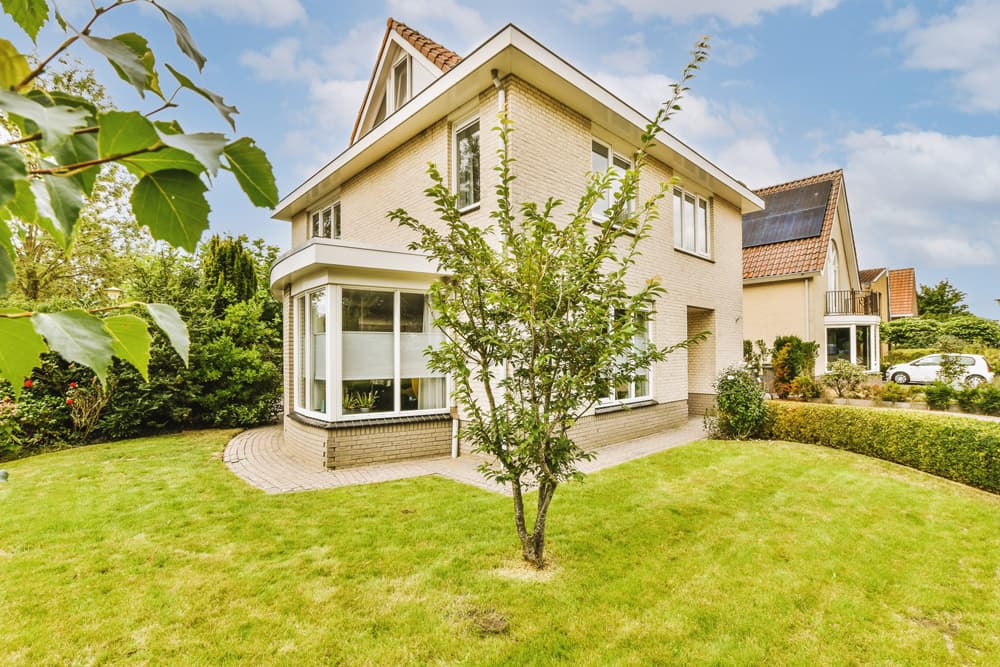
Understanding the Residential Redevelopment Process
From first walkthrough to finished home, a redevelopment moves through four distinct stages. Understanding them makes the timeline make sense.
2 min read
A renovated home can be an excellent purchase, but the quality of the work varies enormously. Here is what we look at first.
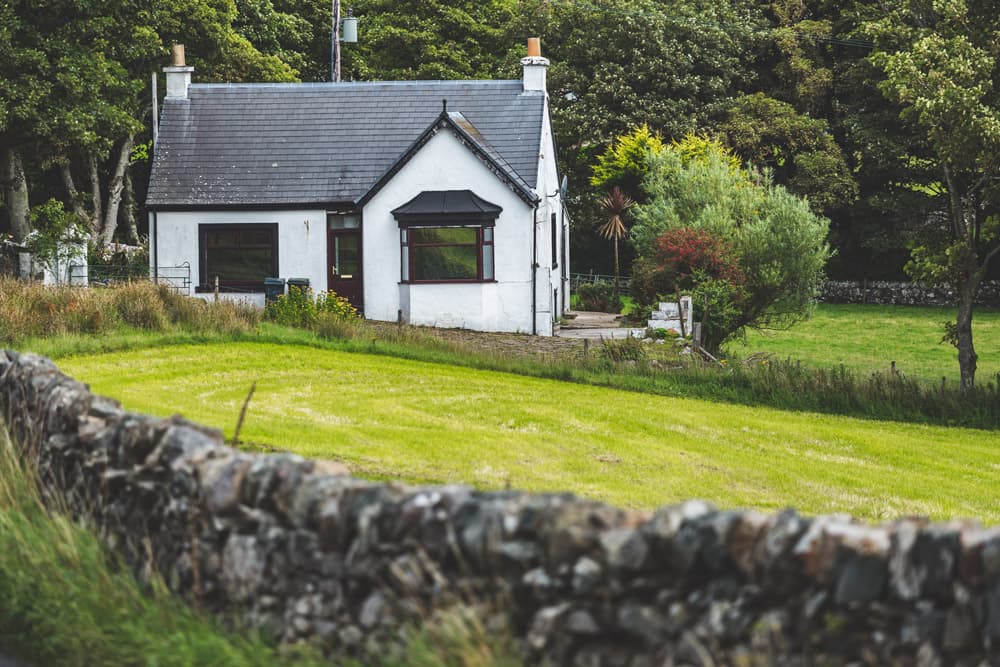
Not every renovation is equal. Some are careful rebuilds; others are a coat of paint over problems that will surface within a year. The difference is rarely visible in photographs.
Start with the systems. Ask what was replaced and when: roof, HVAC, water heater, electrical panel, plumbing supply lines. A renovation that reworked the kitchen but left a forty-year-old panel in place has spent money where it shows rather than where it matters.
Look at the joins. Where new work meets old, quality shows: how tile meets trim, whether doors sit square, whether floors run level between rooms. Rushed work reveals itself at the edges.
Ask about permits. Structural work, electrical work and plumbing changes should be permitted and inspected. A seller who cannot describe what was permitted is telling you something.
Finally, look at what was not done. A good redevelopment has a clear scope and can explain what was deliberately left alone, and why.
From first walkthrough to finished home, a redevelopment moves through four distinct stages. Understanding them makes the timeline make sense.
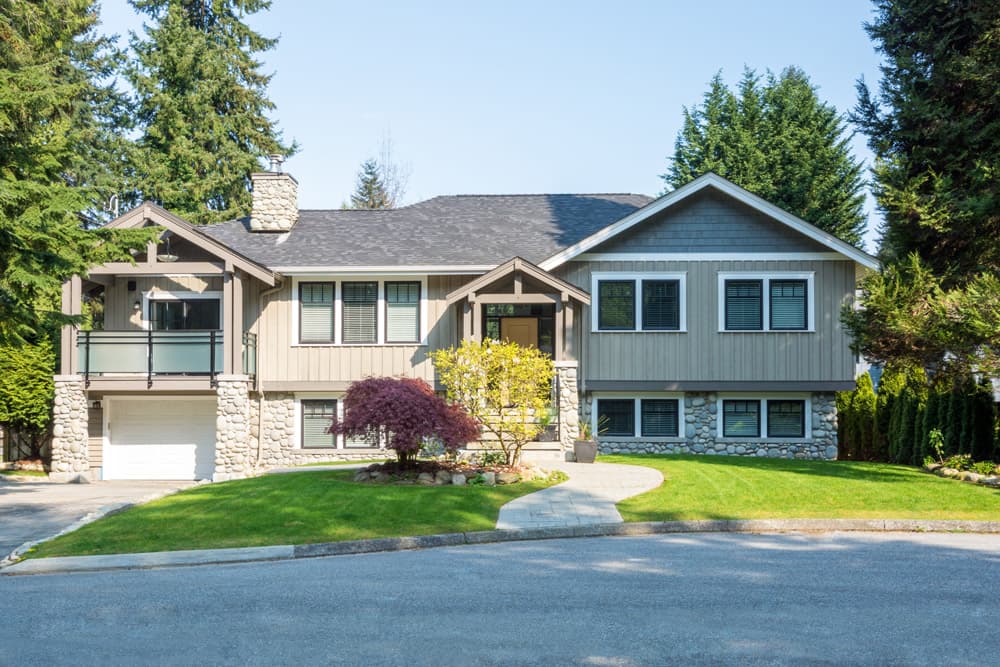
Some design decisions still look right a decade later. These are the five we return to on nearly every project.
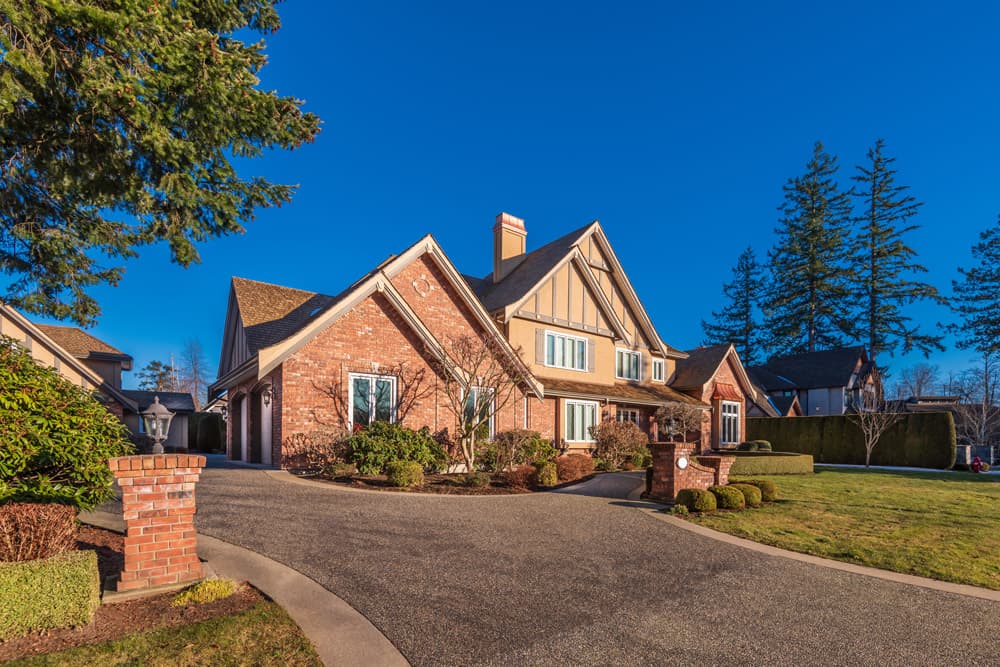
Knoxville, Maryville, Farragut, Oak Ridge and Lenoir City each suit a different buyer. A short orientation.