
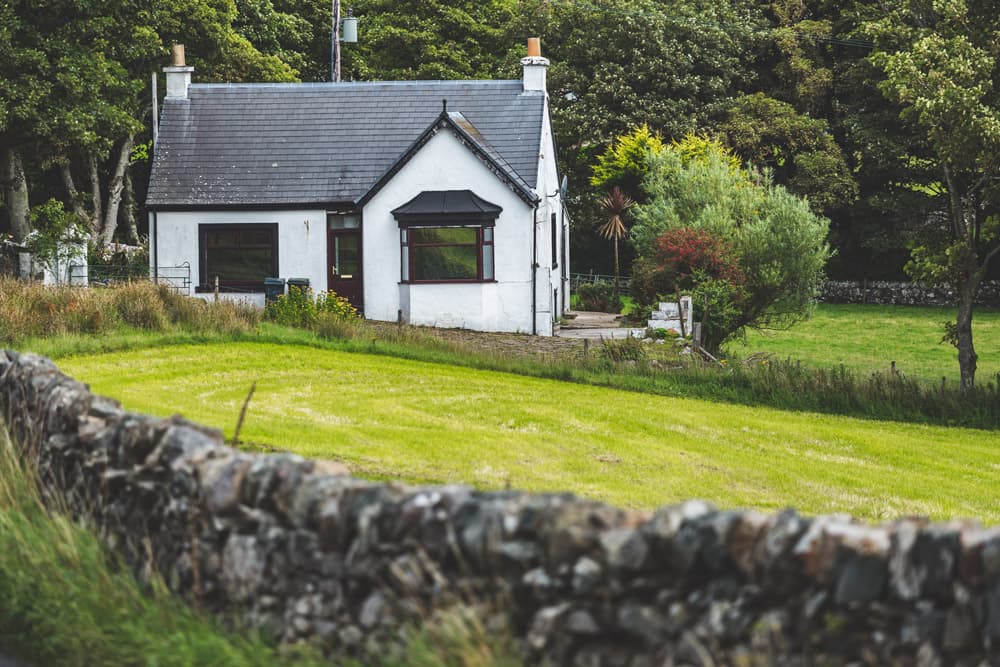
What to Look for in a Renovated Home
A renovated home can be an excellent purchase, but the quality of the work varies enormously. Here is what we look at first.
2 min read
A walkthrough of how a single property moves from acquisition through construction to a finished, market-ready home.
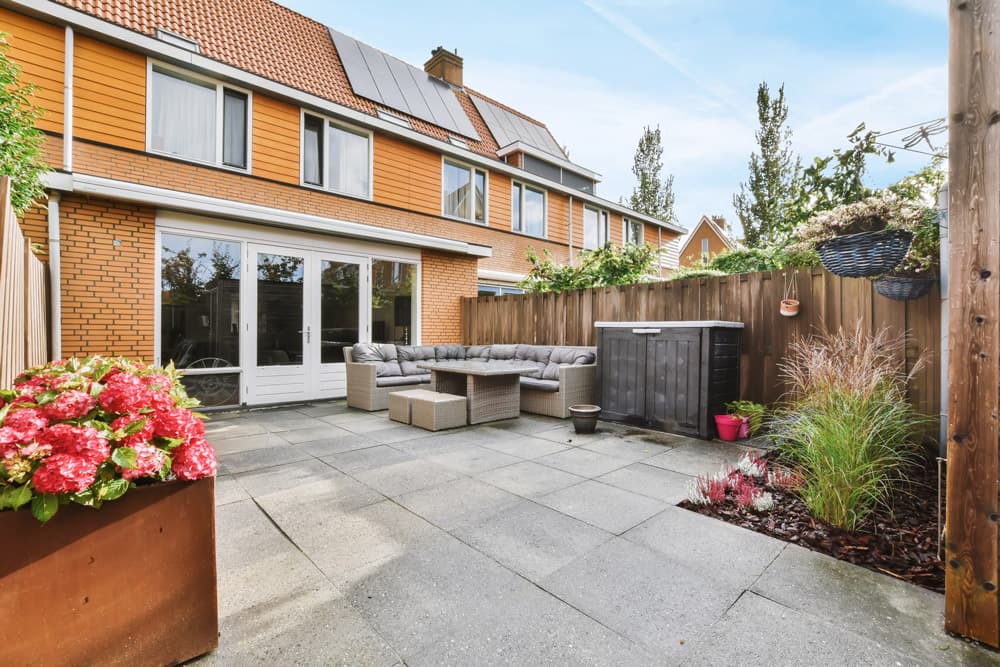
It helps to follow one property through, rather than describe the process in the abstract.
A property comes to us dated but structurally sound: a workable footprint, a poor layout, and systems near the end of their life. Underwriting sets a scope and a contingency before an offer is made.
Demolition comes first, and it is where surprises appear. Opening walls reveals the real condition of framing, wiring and plumbing. A contingency exists precisely for what is found here.
Systems follow: electrical, plumbing, HVAC. None of it will be visible in the finished home, and all of it determines how the home performs for the next owner.
Then structure and layout — removing what should not have been there, and adding what the plan needs. Finishes come last and move quickly if sequencing held.
The final stage is the least glamorous and among the most important: snagging, cleaning, and checking the details that separate a finished home from a nearly finished one.
A renovated home can be an excellent purchase, but the quality of the work varies enormously. Here is what we look at first.
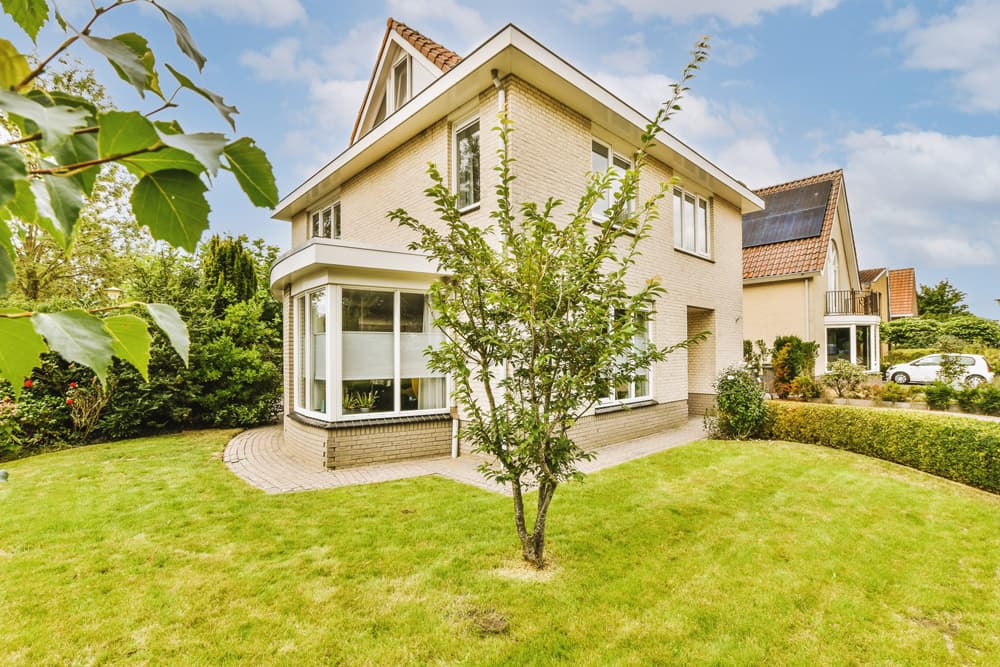
From first walkthrough to finished home, a redevelopment moves through four distinct stages. Understanding them makes the timeline make sense.
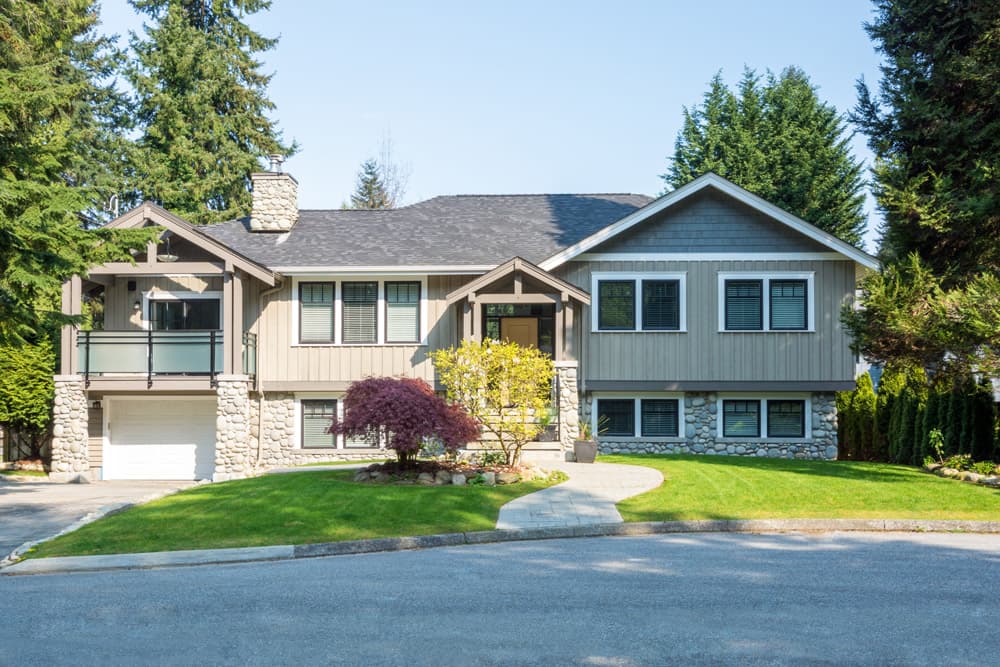
Some design decisions still look right a decade later. These are the five we return to on nearly every project.